
Sourcing and Buying from India: A Buyer Framework
A practical guide to sourcing and buying from India: supplier search, verification, specifications, pricing, inspection, documents and export execution.
 India Supply Solutions
Start with a specification, not a supplier
A strong sourcing process begins with what must be supplied: product definition, material or grade, dimensions, performance requirements, quantity, packing, destination and required standards. Supplier discovery comes after the requirement is clear.
Compare commercial offers on the same basis
EXW, FOB and other terms are not interchangeable. The named place, packing, testing, inspection, taxes, inland transport and export documentation can materially affect comparability.
Verify capability before price
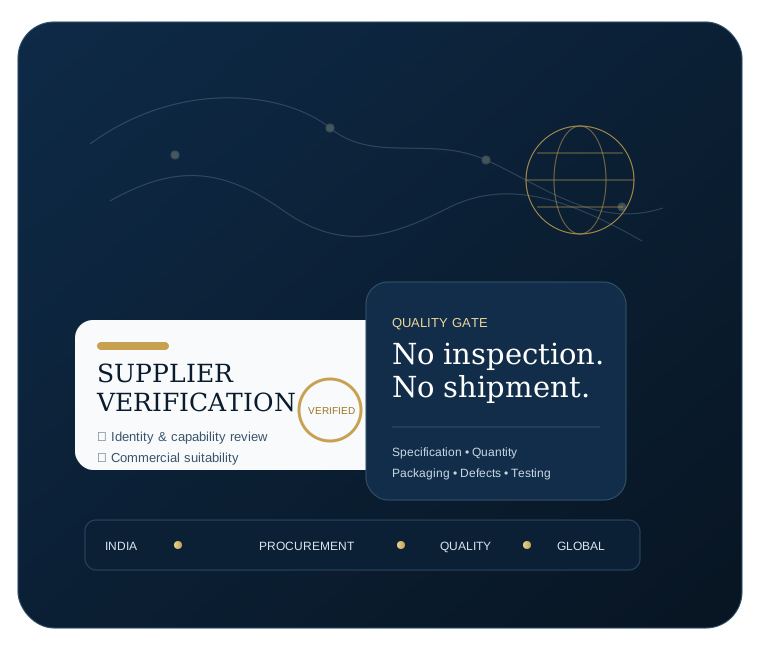
A low quotation is not useful if the supplier cannot consistently meet the specification. Review identity, manufacturing capability, quality systems, relevant documents, communication and production capacity.
Make inspection a decision gate
Inspection should be planned before production, not added after a problem occurs. The scope should reflect product risk and may include dimensional checks, material verification, testing, packing and quantity confirmation.
Document deviations
Material, construction, origin, packing or other deviations should never be silently accepted. Proposed changes must be disclosed and approved before shipment.
Build for repeatability
The strongest sourcing relationship is one that can reproduce the approved product, communication and documentation across repeat orders.
A practical RFQ-to-order sequence
First freeze the commercial and technical requirement: exact product or drawing, grade, dimensions, quantity, destination, required standard, acceptance criteria and documents. For metals, buyers can start from the material grade directory and then select the required product form.
Shortlist suppliers on evidence, not search visibility
Compare legal identity, actual manufacturing or stock capability, process fit, quality controls, capacity, communication and delivery record. A supplier that ranks well online is not automatically the right technical source. Our manufacturer partnership standards explain the evidence expected from partners.
Normalize quotations before choosing price
Put competing offers on the same basis: Incoterm and named place, taxes, packing, inspection, testing, tooling, inland movement, export documents and lead time. A lower headline price can be misleading when important scope is excluded. See pricing transparency.
Release only after inspection and document checks
Define inspection before production, then verify the agreed checkpoints before dispatch. Review certificates, traceability, packing and shipment documents against the purchase requirement. Use the inspection guide and standards context when building the acceptance plan.
Capture deviations and learning for repeat orders
Approved deviations should be written into the order record instead of becoming silent precedents. After delivery, retain the approved specification, supplier evidence, inspection results and corrective actions so the next order starts from a controlled baseline rather than from memory.
Send the exact specification.
We will evaluate the sourcing route and required quality controls.